The United Nations (UN), in its endeavor to respond to the call on the protection of the rights of the global indigenous people passed a Resolution 61/295 “UN Declaration on the Rights of Indigenous Peoples (UNDRIP)”. The UNDRIP serves as a universal standard, with the following key characteristics to be considered when classifying indigenous people:
• Self-identification: Individuals must identify as indigenous and be accepted as such by their community.
• Historical continuity: There must be a historical link to pre-colonial or pre-invasion societies that developed on their territories.
• Territorial link: A strong connection to their ancestral lands and the natural resources within them is essential.
• Distinct systems: Having social, economic, and political systems that are distinct from the dominant society.
• Non-dominant group: Indigenous peoples are considered to be non-dominant sectors of society.
• Cultural distinctiveness: Maintaining and reproducing their own distinct language, culture, and beliefs as a people.
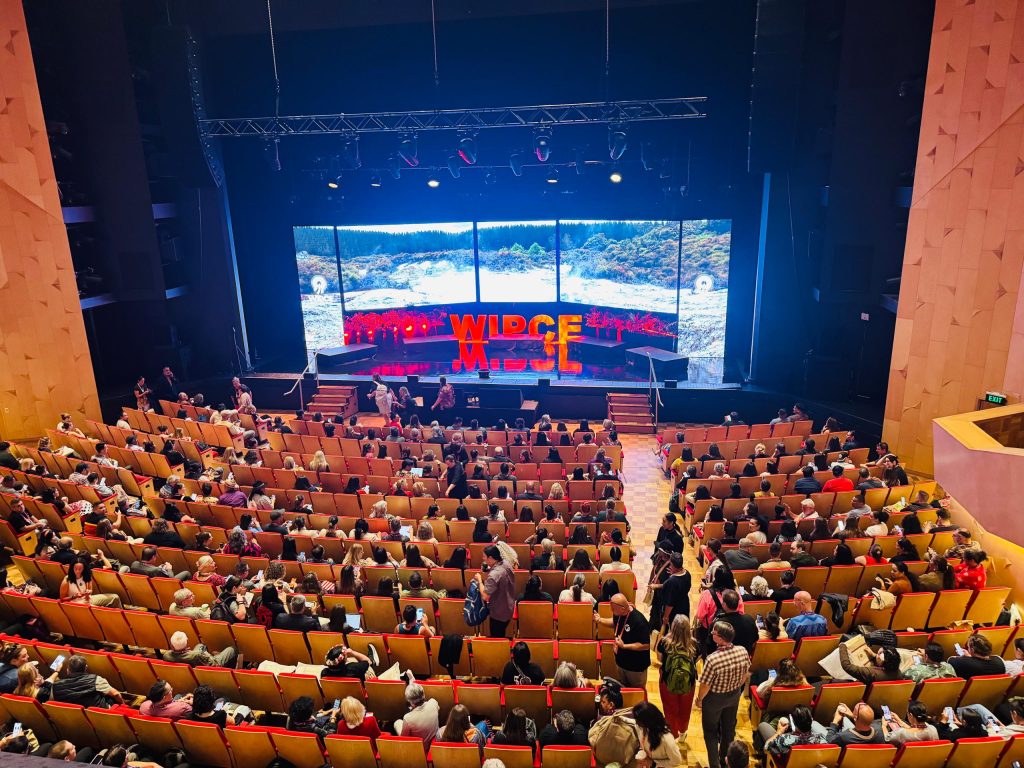
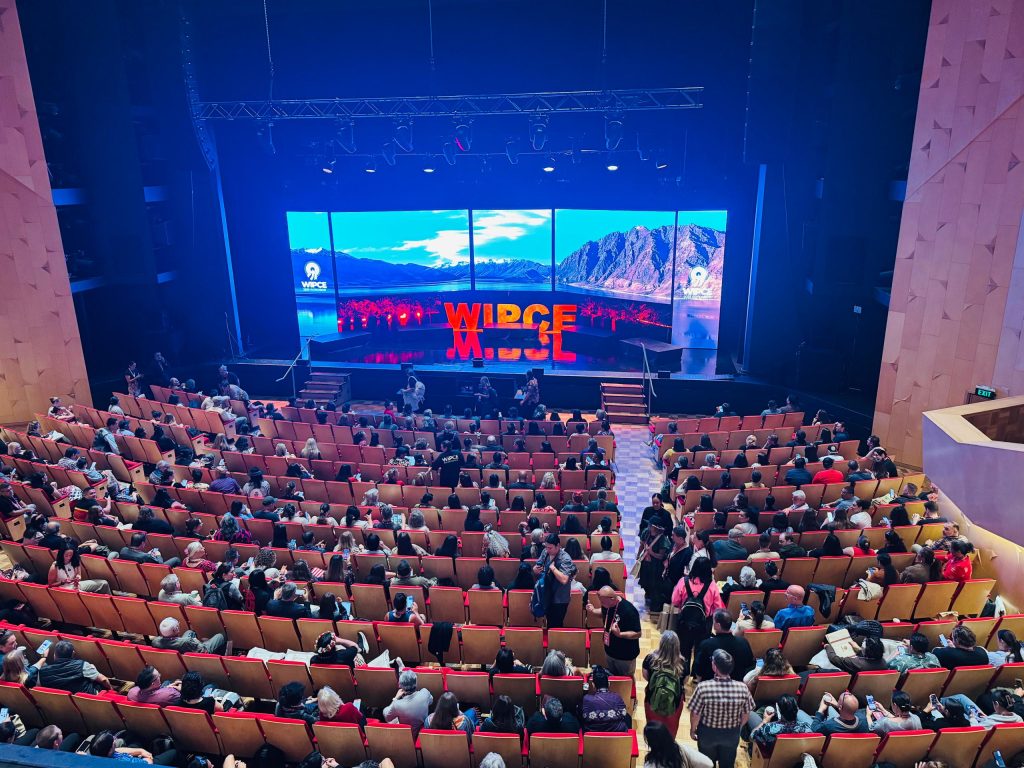
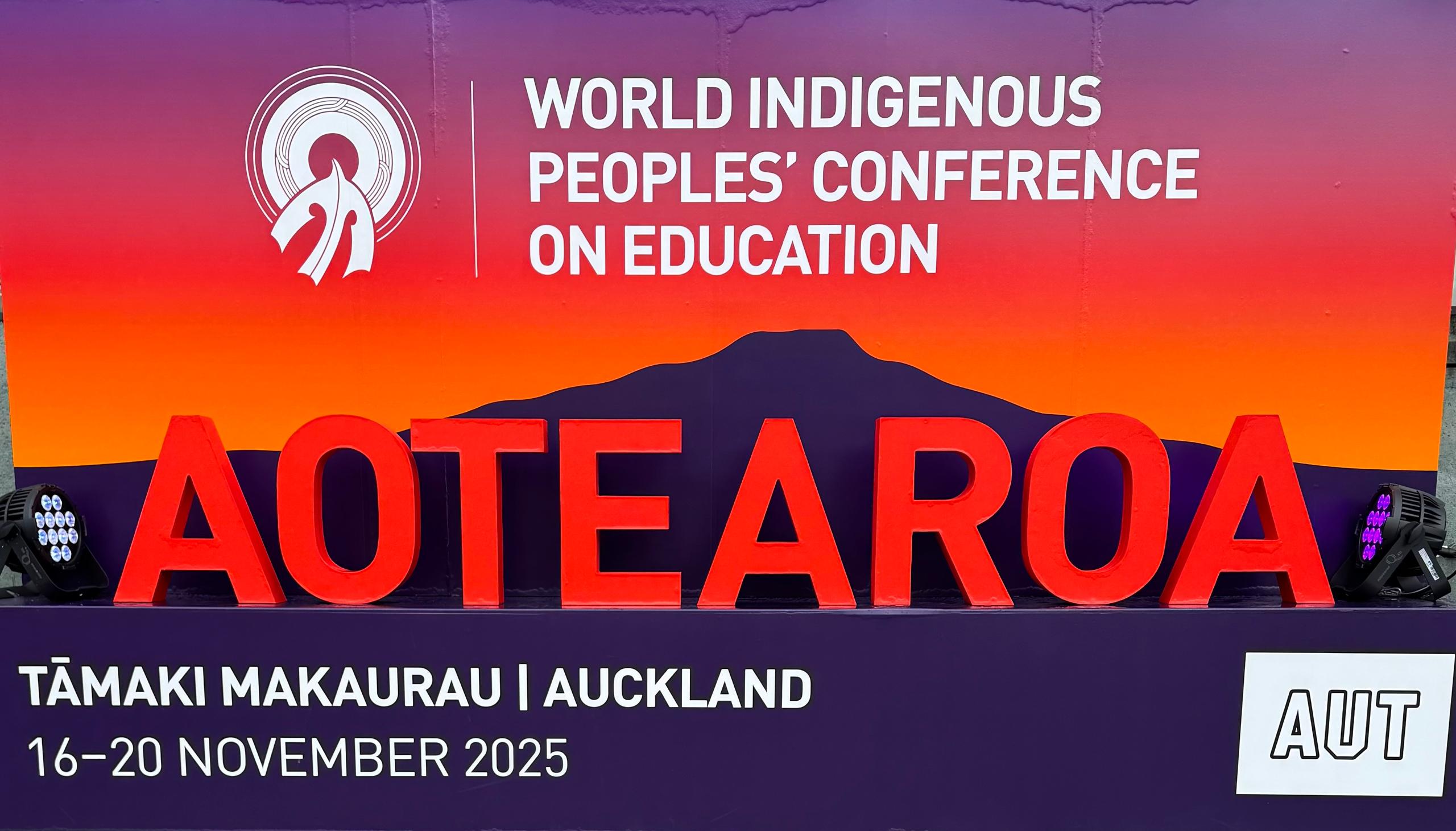
Pursuant to the global call for the realization of ideals espoused in UNDRIP, an indigenous people’s global movement on education in the form of World Indigenous Peoples’ Conference on Education (WIPCE) founded in 1987 hold triennial conferences that bring together Indigenous people from all walks of life.
In an endeavor to respond to the ever changing global challenges affecting Indigenous people and true to their commitment, WIPCE is holding its conference in New Zealand, 2025, with the following aims;
• Honour, Preserve, and Advance Indigenous Education
• Provide a Global Forum
• Promote Self-Determination
• Bridge Knowledge Systems
• Empower Future Generations
• Foster Cross-Cultural Exchange
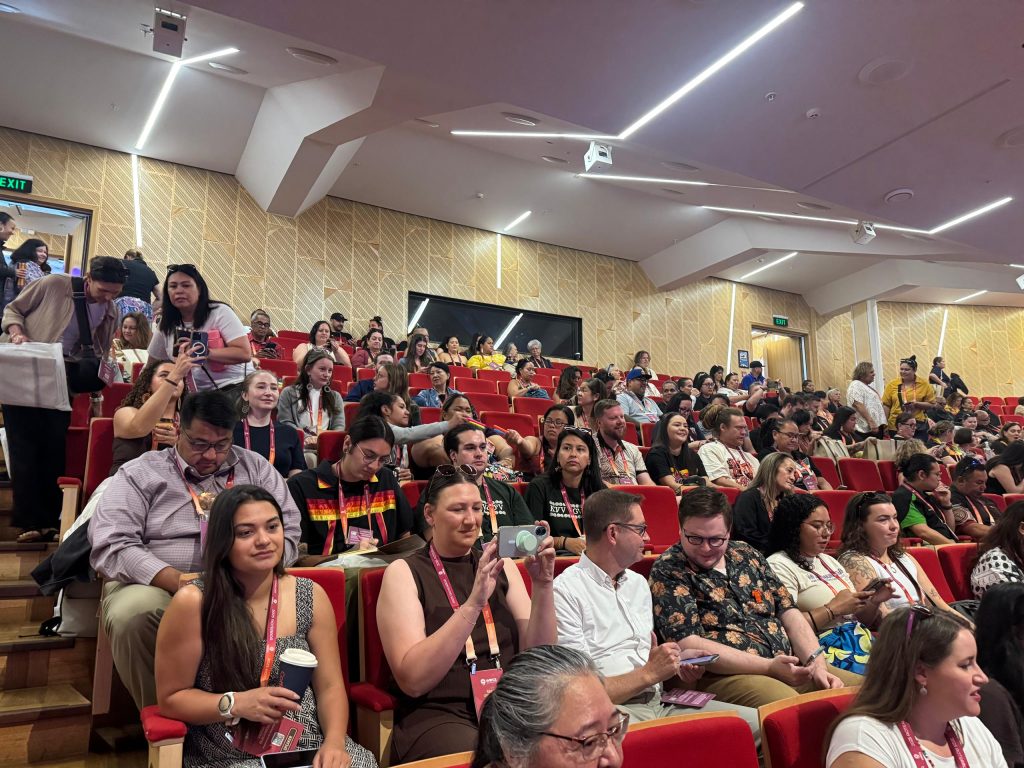
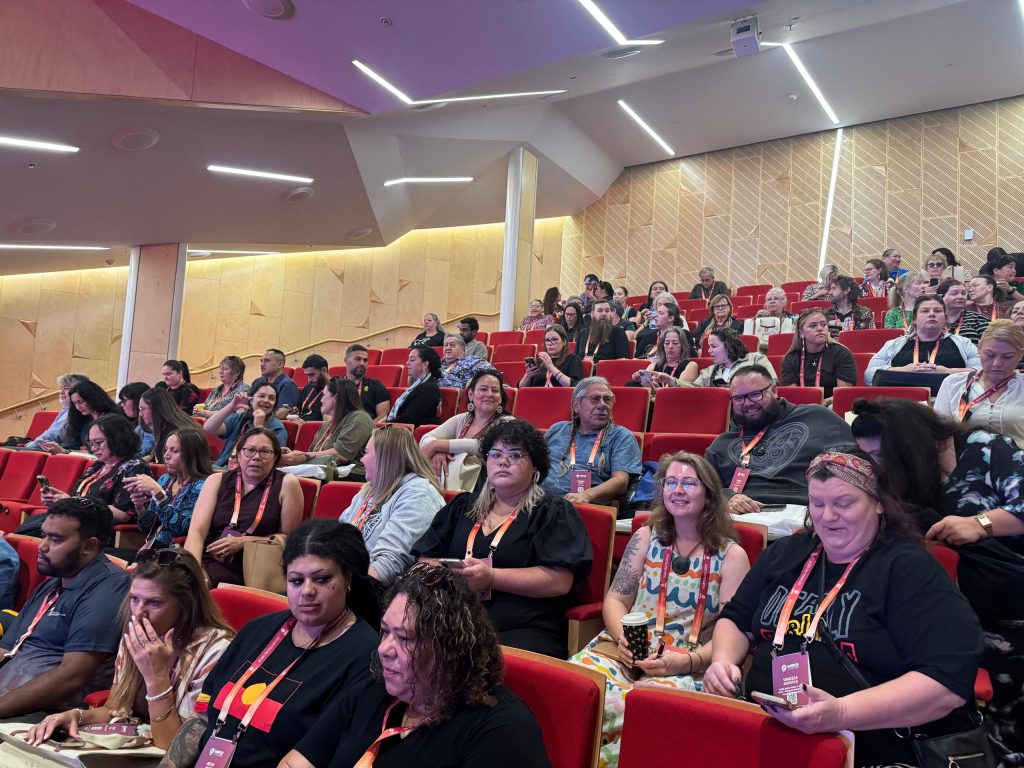
On record many communities across the world have responded by either attending as speakers or delegates.
Ironically, African indigenous communities appears to have not responded positively to the WIPCE 2025 conference call.
Faced with political uncertainties, socio-economic inequalities and broad deprivations that threaten African Indigenous Communities survival, one would have expected a kin interest in the WIPCE 2025.
Bringing it home, Botswana is one country that is lacking behind in protecting the rights of the country’s indigenous people.
Noteworthy are the below challenges facing indigenous communities of Botswana, these were cited in the UN Human Rights reports through a number of years;
• Lack of constitutional recognition: A major obstacle is the absence of constitutional and legal recognition for indigenous peoples, which creates systemic barriers.
• Land rights: Indigenous communities continue to face challenges with land tenure, particularly concerning access to and use of their ancestral lands and resources.
• Marginalization: Indigenous groups remain among the most underprivileged in Botswana, facing systemic obstacles in accessing justice, education, and basic services.
• Dual justice system: The customary law system can be problematic, as non-Indigenous chiefs may lack understanding of indigenous customs, leading to issues being dismissed.
• Inadequate political representation: There have been historical criticisms regarding the representation of minority groups, including the San, in the House of Chiefs.
The above are but some of the challenges facing indigenous communities of Botswana.
FRETUM driven by its ideals of justice and equitable protection rose to the occasion. It is engaging global indigenous communities and their institutions, in an endeavor to create an advocacy program for the protection of the rights of indigenous communities of Botswana. Its main goal is to provide a platform for indigenous people workers as they champion their course towards attaining equitable protection.
It is on this background that FRETUM calls upon the like minded Indigenous Communities and their Organizations to join hands and engage in a journey to self determination, fair justice and equitable protection and realization socioeconomic freedoms, cultural diversity and innovation based on Indigenous knowledge.